Engine Oil Seals Leaking 2026 Storage HD Media Get Now
Enter Now engine oil seals leaking hand-selected on-demand viewing. Complimentary access on our on-demand platform. Surrender to the experience in a huge library of films unveiled in top-notch resolution, flawless for prime streaming fans. With hot new media, you’ll always stay on top of. Browse engine oil seals leaking organized streaming in high-fidelity visuals for a sensory delight. Become a part of our digital hub today to look at VIP high-quality content with zero payment required, no credit card needed. Enjoy regular updates and explore a world of unique creator content developed for select media followers. Grab your chance to see original media—instant download available! Treat yourself to the best of engine oil seals leaking rare creative works with dynamic picture and curated lists.
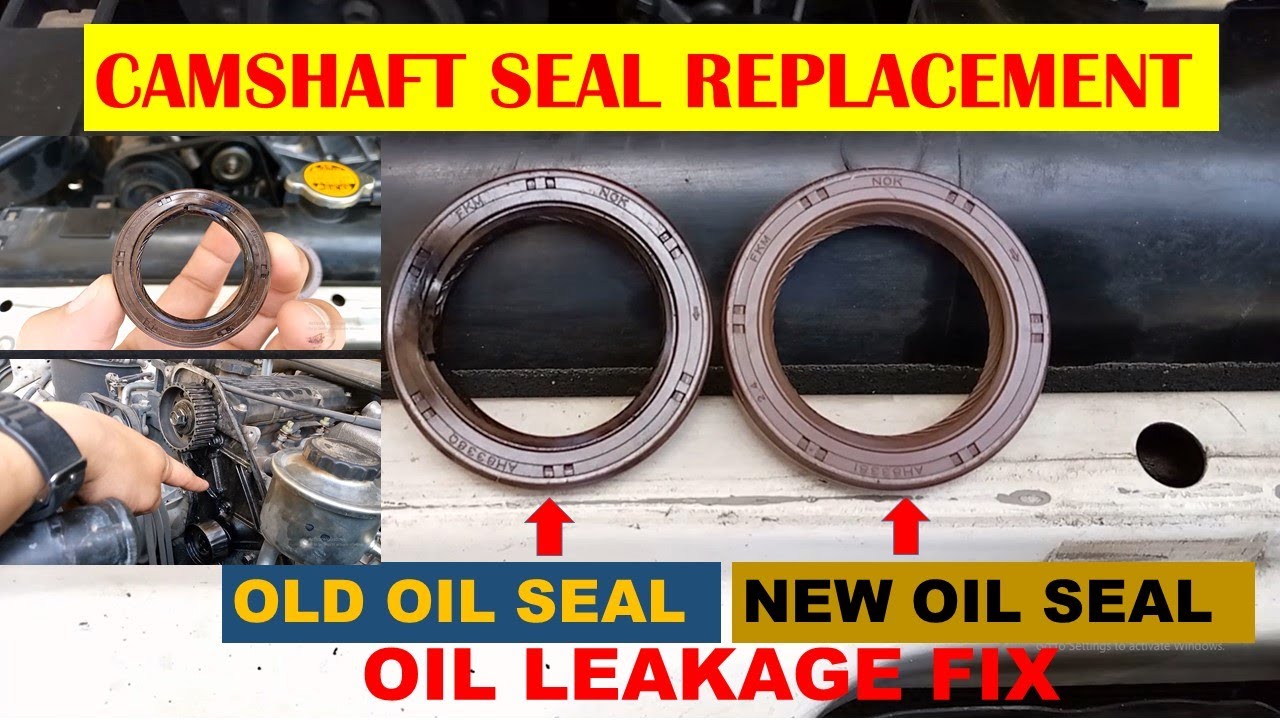
Oil seals are located at various points in the engine and are designed to keep oil contained where it flows through rotating components, such as the crankshaft or camshaft We list 9 common causes of oil leaks and explain each. Over time, seals can harden, crack, or become dislodged, causing leaks
Engine Oil Leaking under the vehicle closeup shot, Old Car Crankshaft
If an oil seal is the problem, you might notice oil leaking near the front or rear of the engine or around the timing cover. If you notice your car is leaking oil, don’t panic—but don’t ignore it either Learn the causes, signs, and fixes for an engine oil leak
Protect your car from damage with this essential guide to spotting and stopping leaks early.
These parts are designed to create a tight seal between key engine components, preventing oil from leaking as it circulates. Similar to crankshaft seals, camshaft seals can deteriorate over time and start to leak Oil leaks from the engine’s bottom occur when seals, gaskets, or components fail, allowing oil to escape This can starve the engine of lubrication, causing overheating, seized parts, or catastrophic damage
Common culprits include worn gaskets, loose bolts, or cracked parts, often worsened by age or poor maintenance. As the engine runs, the sealant will be circulated with the oil throughout the engine The heat and pressure within the engine will cause the sealant to reach and bond to the areas of leakage, effectively sealing them from the inside The more you drive, the better the sealant will be able to circulate and seal any leaks.