Old Dads Nude Scenes Full Pack Media Files Access
Activate Now old dads nude scenes exclusive digital media. Subscription-free on our binge-watching paradise. Get lost in in a large database of hand-picked clips offered in 4K resolution, the ultimate choice for dedicated watching fans. With the newest drops, you’ll always stay in the loop. Check out old dads nude scenes specially selected streaming in ultra-HD clarity for a deeply engaging spectacle. Connect with our digital space today to access content you won't find anywhere else with no charges involved, no subscription required. Appreciate periodic new media and investigate a universe of rare creative works engineered for first-class media admirers. You won't want to miss singular films—download now with speed! Get the premium experience of old dads nude scenes special maker videos with sharp focus and hand-picked favorites.
Old, ancient, venerable, antique, antiquated, archaic, obsolete mean having come into existence or use in the more or less distant past While all these words mean having come into existence or use in the more or less distant past, old may apply to either actual or merely relative length of existence. Old may apply to either actual or merely relative length of existence.
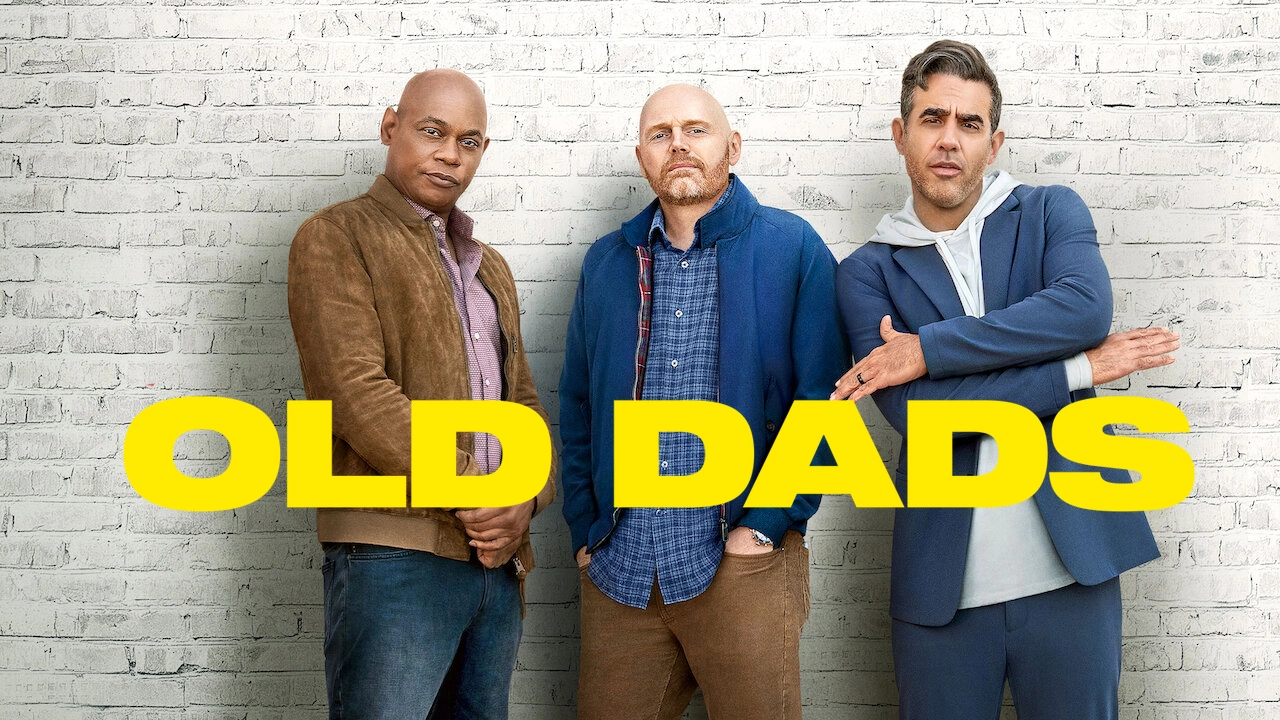
Bill Burr's Apology Scene In Netflix's 'Old Dads' Gets Internet's Nod Of Approval
Having lived or existed for many years Some common synonyms of old are ancient, antiquated, antique, archaic, obsolete, and venerable Unsuitable because intended for older people
Old synonyms, pronunciation, spelling and more from free dictionary.
You use old to refer to something that is no longer used, that no longer exists, or that has been replaced by something else The old road had disappeared under grass and heather. There are eight meanings listed in oed's entry for the noun old, two of which are labelled obsolete See ‘meaning & use’ for definitions, usage, and quotation evidence.
Old is the most general term Ancient pertains to the distant past Forms with /ɛː/ are either from forms such as west saxon old english and kentish old english eald or due to analogy with the comparative eldre or superlative eldest. Having lived for many years not young
Used to talk about or ask about a person's age


